
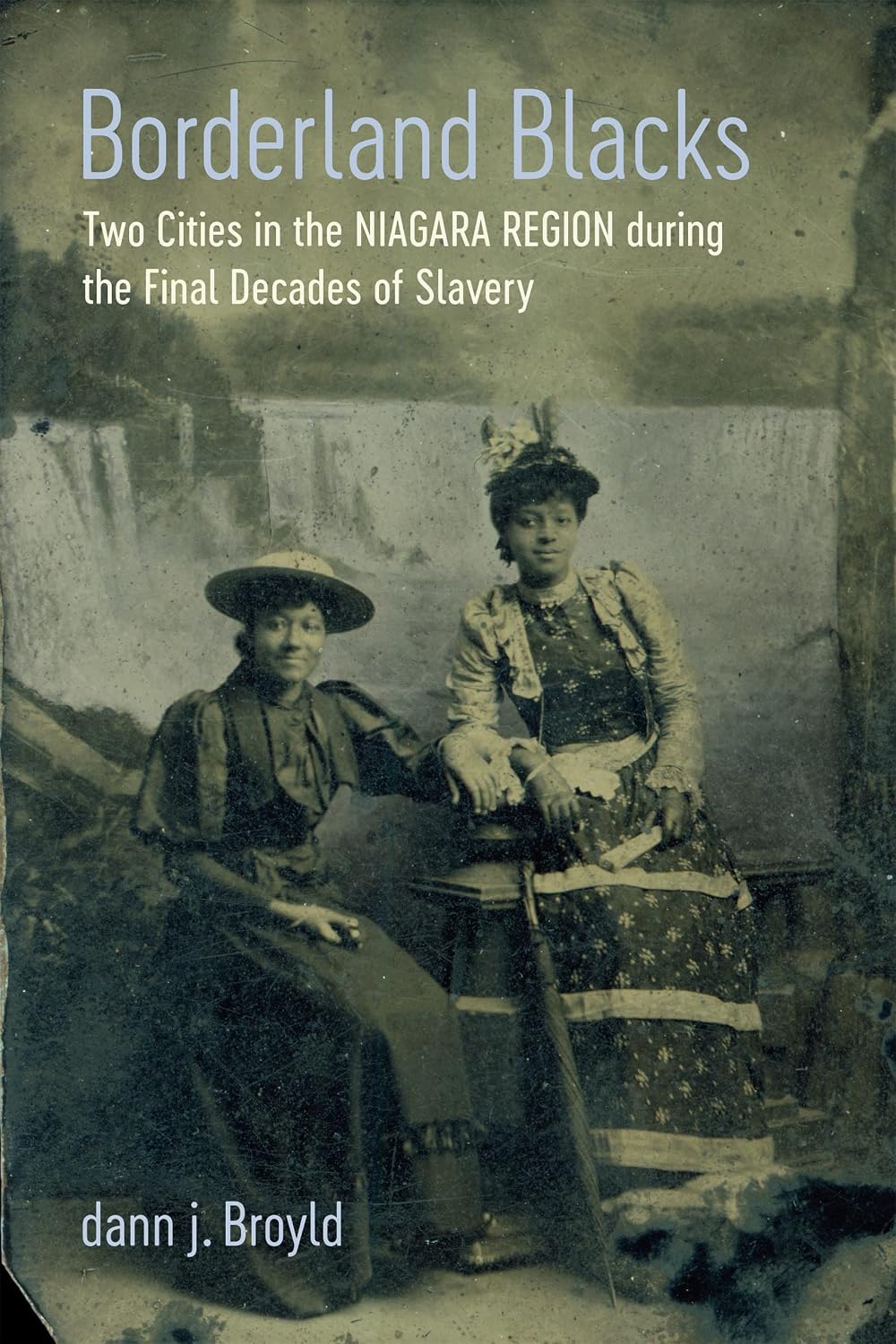
Borderland Blacks: Two Cities in the Niagara Region during the Final Decades of Slavery (Antislavery, Abolition, and the Atlantic World)
Product details
| Management number | 233460820 | Release Date | 2026/06/27 | List Price | US$11.17 | Model Number | 233460820 | ||
|---|---|---|---|---|---|---|---|---|---|
| Category | |||||||||
Winner of the OHS Fred Landon AwardIn the early nineteenth century, Rochester, New York, and St. Catharines, Canada West, were the last stops on the Niagara branch of the Underground Railroad. Both cities handled substantial fugitive slave traffic and were logical destinations for the settlement of runaways because of their progressive stance on social issues including abolition of slavery, women’s rights, and temperance. Moreover, these urban centers were home to sizable free Black communities as well as an array of individuals engaged in the abolitionist movement, such as Frederick Douglass, Harriet Tubman, Anthony Burns, and Hiram Wilson. dann j. Broyld’s Borderland Blacks explores the status and struggles of transient Blacks within this dynamic zone, where the cultures and interests of the United States, Canada, Great Britain, and the African Diaspora overlapped.Blacks in the two cities shared newspapers, annual celebrations, religious organizations, and kinship and friendship ties. Too often, historians have focused on the one-way flow of fugitives on the Underground Railroad from America to Canada when in fact the situation on the ground was far more fluid, involving two-way movement and social collaborations. Black residents possessed transnational identities and strategically positioned themselves near the American-Canadian border where immigration and interaction occurred. Borderland Blacks reveals that physical separation via formalized national barriers did not sever concepts of psychological memory or restrict social ties. Broyld investigates how the times and terms of emancipation affected Blacks on each side of the border, including their use of political agency to pit the United States and British Canada against one another for the best possible outcomes. Read more
Bestseller ranking
Abolition




Correction of product information
If you notice any omissions or errors in the product information on this page, please use the correction request form below.
Correction Request Form